Four superior sugarcane varieties released and notified by CVRC/SVRC during 2022–2024:
- Type: Mid-late maturing sugarcane variety
- Developed by: ICAR–Sugarcane Breeding Institute (ICAR–SBI), Coimbatore
- Released through: Central Varietal Release Committee (CVRC), 2022
- Zone: Peninsular Zone
- Recommended States: Tamil Nadu, Kerala, Interior Andhra Pradesh, Telangana, Karnataka, Gujarat, Maharashtra, and Madhya Pradesh
Performance:
- Parentage: Co 86032 x Co 86011
- Cane yield – 109.82 t/ha
- CCS yield – 16.16 t/ha
- Juice sucrose – 20.63%
Disease reaction:
- Red rot: Resistant (Nodal method), Moderately resistant (plug method)
- Smut: Resistant
- Yellow Leaf Disease (YLD): Resistant

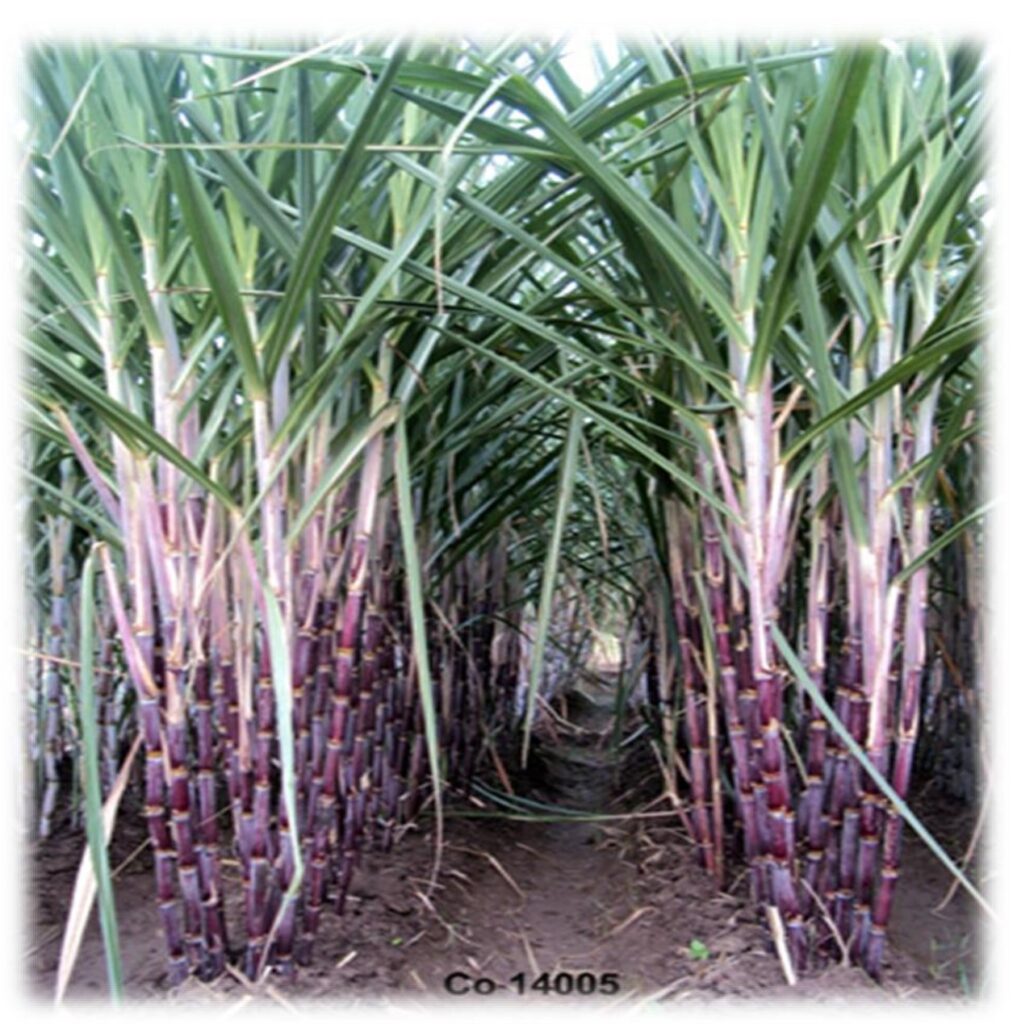
Co 14005 (Arunima)
- Type: Mid-late maturing sugarcane variety
- Developed by: ICAR–Sugarcane Breeding Institute (ICAR–SBI), Coimbatore
- Released through: Central Varietal Release Committee (CVRC), 2023
- Zone: Peninsular Zone
- Recommended States: Tamil Nadu, Kerala, Interior Andhra Pradesh, Telangana, Karnataka, Gujarat, Maharashtra, and Madhya Pradesh
Performance
- Parentage: Co 86032 x Co 86011
- Cane yield – 118.77 t/ha
- Sugar yield – 16.61 t/ha
- Juice sucrose – 20.15 %
Salient Features
- Resistant to red rot, smut and YLD
- Shows superior performance in waterlogged conditions (Kolhapur region)
- Less susceptible to major insect pests
Co 11015 (Atulya)
- Type: Early maturing variety
- Developed by: ICAR–Sugarcane Breeding Institute (ICAR–SBI), Coimbatore
- Released through: Central Varietal Release Committee (CVRC), 2022
- Zone: Peninsular Zone
- Recommended States: Tamil Nadu, Kerala, Interior Andhra Pradesh, Telangana, Karnataka, Gujarat, Maharashtra, and Madhya Pradesh
- Suitable for: 8–12 months harvest and special season planting
Performance
- Parentage: CoC 671 x Co 86011
- Cane yield – 108.30 t/ha
- CCS yield – 16.22 t/ha
- Juice sucrose –21. 33 %
Disease Reaction
- Red rot – Resistant (Nodal)
- Smut – Resistant
- Wilt – Resistant
- YLD – Resistant
Special Traits
- High sucrose accumulation at 240, 300 and 360 days
- Excellent ratooning ability
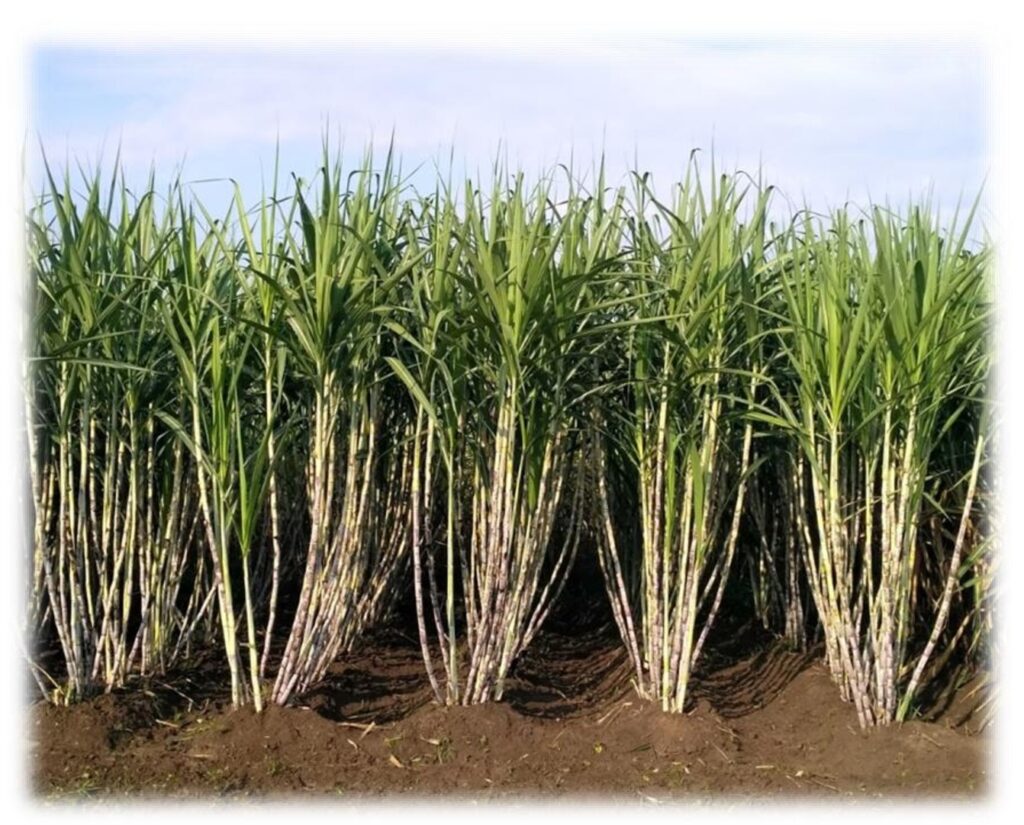
Co 18009 (Punnakai)
- Type: Mid-late maturing variety
- Released through: SVRC (2023) – for Tamil Nadu (irrigated conditions)
- Parentage: Co 07027 × ISH 69
Performance
- Cane yield –153.85 t/ha
- Yield advantage – ≈ 10.85 % over Co 86032
Salient Features
- Good ratooner and drought tolerant
- Moderately resistant to red rot
- Suitable for machine harvesting
- Less susceptible to shoot and internode borers
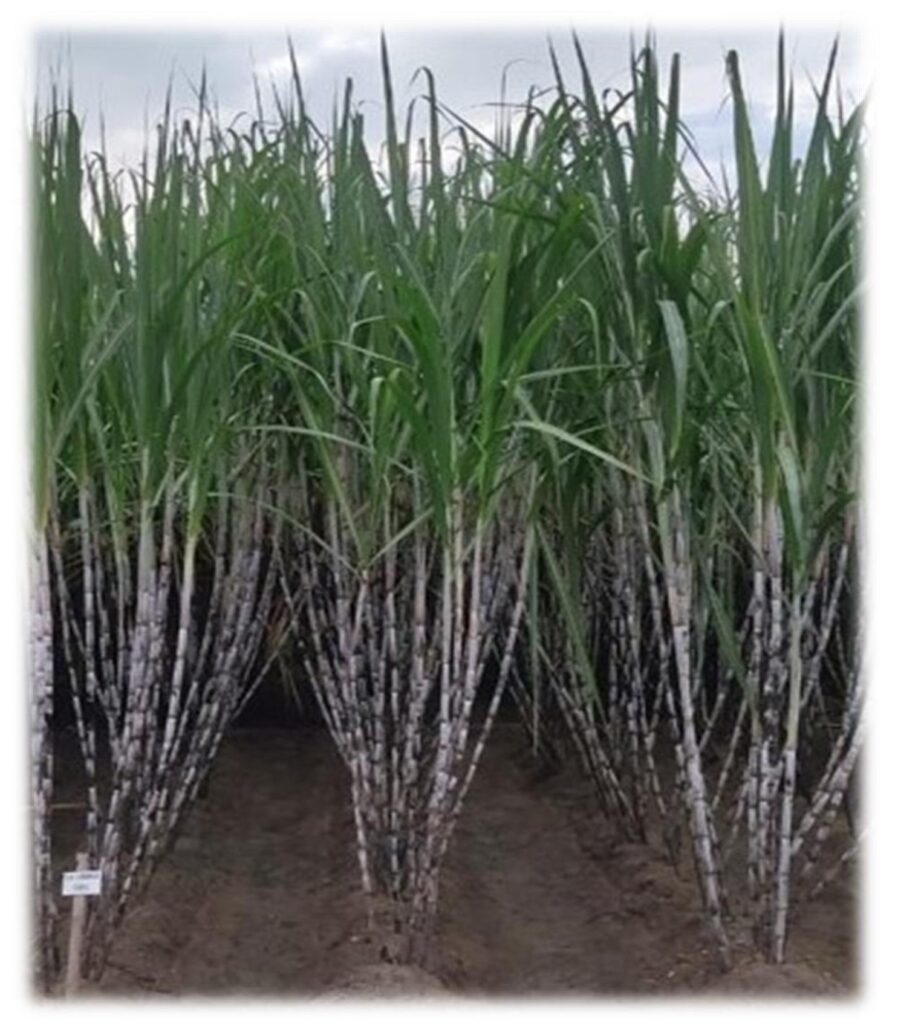
iii New Sugarcane Clone identified through AICRP(S) (2023-25) for Peninsular India
Co 18003
- Co 18003 is a high-quality sugarcane clone suitable for cultivation in peninsular zone comprising states of Andhra Pradesh, Gujarat, Karnataka, Kerala, Maharashtra, Madhya Pradesh, Tamil Nadu and Telangana.
- This clone recorded sugar yield of 16.58 t/ha at 360 days across the peninsular zone with an overall improvement of 14.96 %, 9.76 % and 4.20 % over the standards CoC 671 (14.42 t/ha), Co 09004 (15.10 t/ha) and Co 86032 (15.91 t/ha) respectively.
- Co 18003 recorded cane yield of 116.98 t/ha and registered an improvement of 17.31 %, 11.23 % and 0.91 % in comparison with the standards CoC 671 (99.73 t/ha), Co 09004 (105.17 t/ha) and Co 86032 (115.93 t/ha)
- Co 18003 registered its superiority for sugar yield and juice sucrose % by surpassing all three zonal standards (Co 86032, CoC 671, Co 09004) and emerged as only qualifying entry in 40 trials conducted across the zone.
- Co 18003 is R-MR (Resistant to moderately resistant) for red rot and resistant to Pokkah Boeng and Yellow leaf disease (YLD)
- This clone is less susceptible to top borer and scale insect in all the locations tested. It was less susceptible to moderately susceptible for early shoot borer and internode borer.
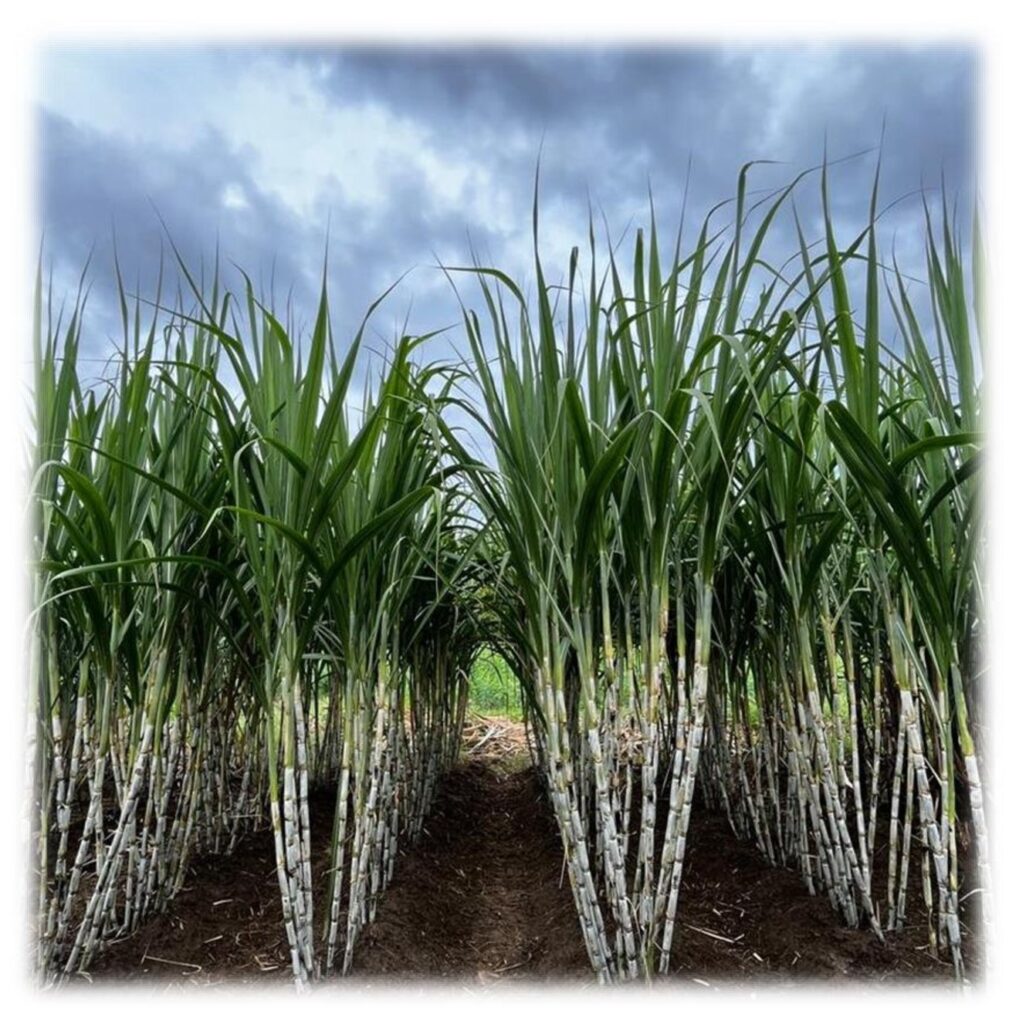
SBIEC14006- Energy Cane
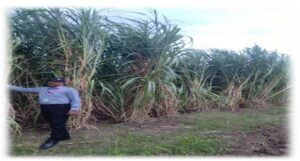
- Type II Energy cane SBIEC 14006 developed at ICAR-SBI, Coimbatore recorded harvestable biomass yield was 284.27 t/ha at 12th months, 2.13 kg Single cane weight (SCW) with trash and tops, 1.38 Kg single cane weight, 395 cm mean cane height and 2.38 cm cane diameter.
- Juice quality parameters such as Brix % and Pol % were10.51% and 7.24% respectively.
- Licensing of Energy Cane SBIEC 14006 was granted to Hriday Hydrogen Power Private Limited, Pune, Maharashtra during November 2024.
Field view of Energy cane SBIEC 14006
New germplasm registered with NBPGR, New Delhi
Three genetic stocks were registered with ICAR-NBPGR, New Delhi during July 2024
Sl.No | Donor identity | National identity | INGR_No | Year | Pedigree | Unique features |
1 | GU 12-21 | IC651997 | INGR24049 | 2024 | GU 04-28EO-2 x Co 06027 | Broad-spectrum resistance to red rot for tropical and sub-tropical isolates with high winter sprouting potential |
2 | GU 12-19 | IC651998 | INGR24050 | 2024 | GU 04-28EO-2 x Co 06027 | Intergeneric hybrid involving Erianthus procerus with high winter sprouting potential and broad-spectrum resistance to red rot |
3 | Co 12014 | IC651999 | INGR24051 | 2024 | Co 97007 x Co 775 | Multiple disease resistance (red rot, smut and yellow leaf disease) |

Maintenance of wild Saccharum germplasm
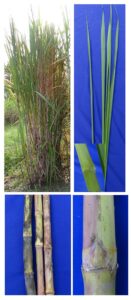
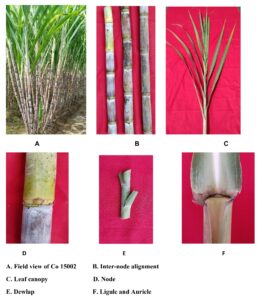
2277 wild germplasm accessions of Saccharum and allied genera are being maintained at the ICAR SBI Wild Germplasm Repository. This comprise Saccharum spontaneum (1756), Erianthus arundinaceus (233), Erianthus spp. (178), Allied Genera (62) and improved Erianthus clones (48). Forty-seven accessions collected from Arunachal Pradesh are being maintained at IARI Regional Station, Wellington, The Nilgiris.
New initiative in S. spontaneum germplasm management
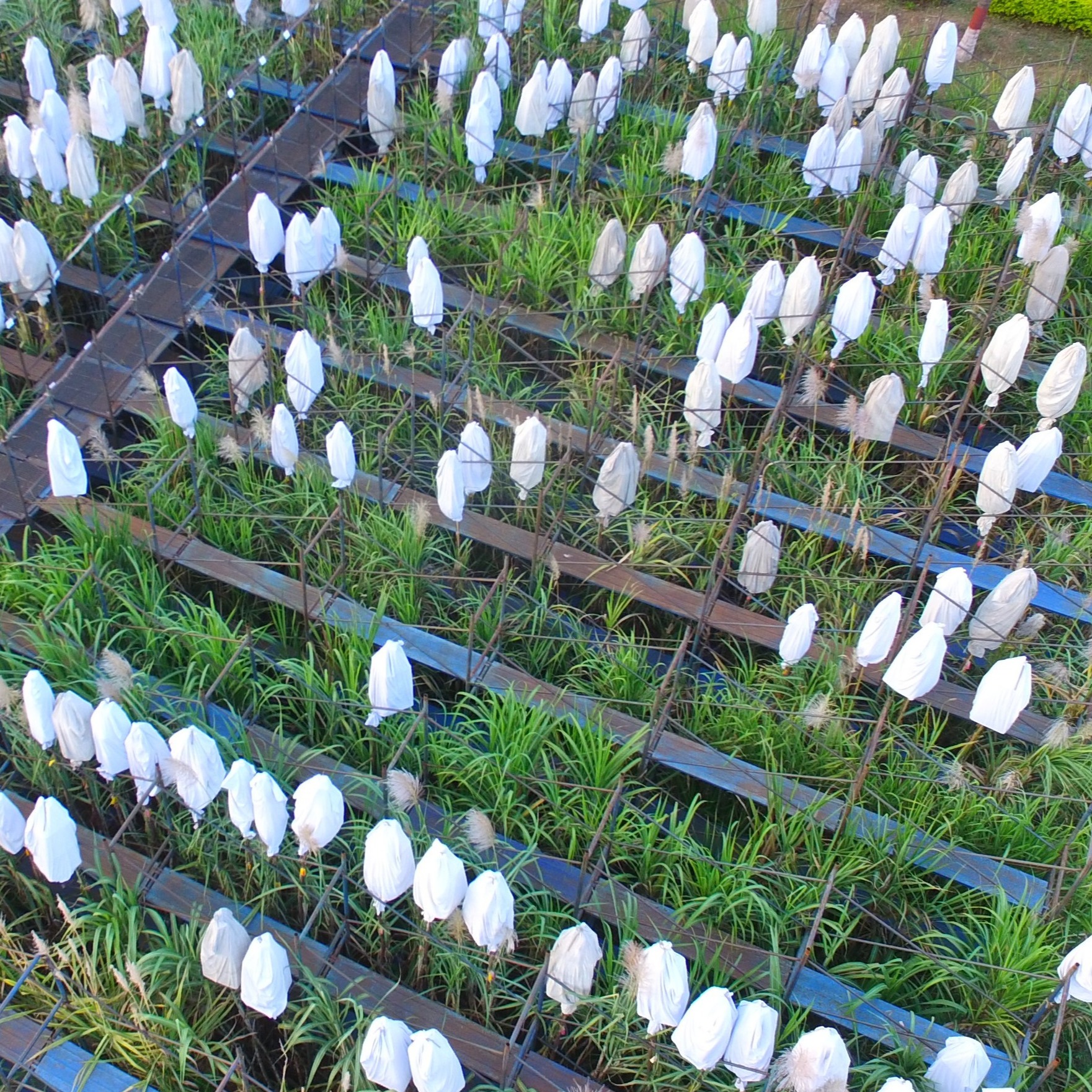
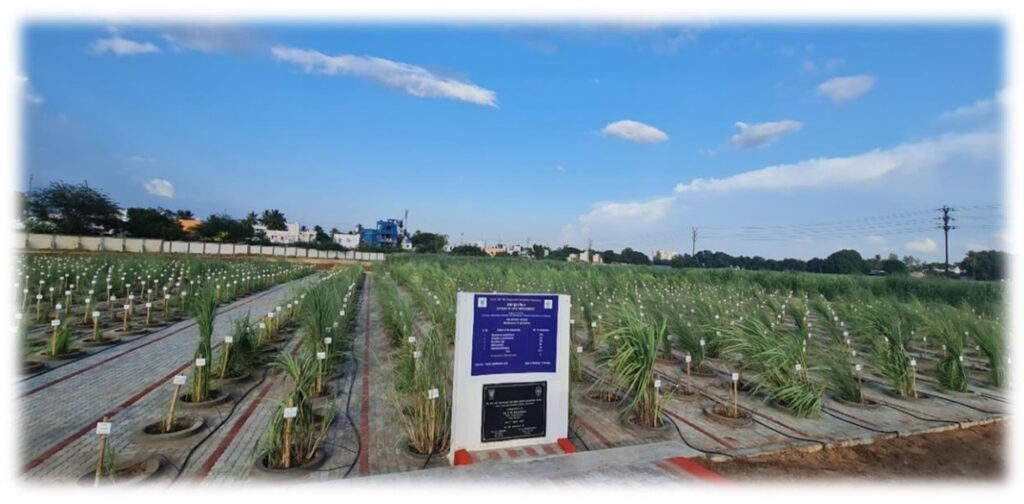
- This is the state-of-the-art facility for conservation of wild Saccharum germplasm was established during April,2024. Saccharum spontaneum is propagated by root stolons and its maintenance in the field is cumbersome as it spreads to the nearby accessions by its stolons.
- Conventionally spontaneum is maintained by replanting in the field every year. Replanting of huge number of accessions is laborious and time consuming. This concrete ring facility will restrict the root growth within the structure and would help in maintenance of germplasm without any mixing up and could be ratooned for few years once established, thereby reducing the need for every year replanting.
Ex-situ conservation S. spontaneum germplasm at ICAR-SBI, Coimbatore
National Hybridisation Garden (NHG) AT ICAR-SBI, COIMBATORE
- ICAR- Sugarcane Breeding Institute (SBI) facilitated the 22 participating centres to effect 470 biparental crosses at NHG Centre
- Out of 450 parents in NHG 2024-25, 382 clones flowered with flowering intensity of 84.89 %. The data on different stages of flowering were uploaded in the institute website and updated at weekly intervals to facilitate the centres to plan the crosses.
- 56 kg of fluff (True seed of sugarcane) was supplied to twenty-four fluff receiving centres.
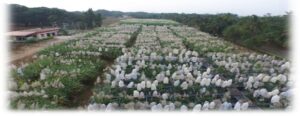
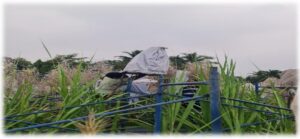
Enhancing Sugar Productivity in Tamil Nadu through Institute- Industry Approach (SISMA-TN funded-SWEET BLOOM 2.0)
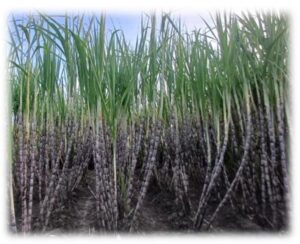
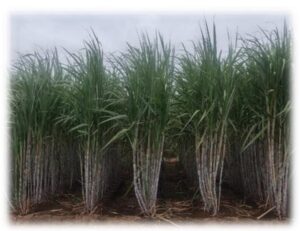
Field trials conducted at ten factory locations in Tamil Nadu with seventeen genotypes and local standards identified two promising clones viz., Co 21003 and Co 19009 for Commercial Cane Sugar (CCS) yield, Cane yield and sucrose % across two plant and one ratoon crops during 2023-25 crop seasons
Co 21003
- Co 21003 is a high-yielding, climate-resilient, mid-late sugarcane variety ideal for Tamil Nadu and Puducherry.
- It combines high cane and sugar yields, excellent ratooning ability, and resistance to red rot, smut and YLD.
Co 19009
- High yielding midlate maturing sugarcane variety suitable for Tamil Nadu and Puducherry.
- Resistant (nodal method) and moderately Resistant (plug method) to red rot strains prevalent in Tamil Nadu.
Co 21003
Co 19009
Lead Centre- ICAR, SBI, Coimbatore
- The main objective is to establish distinctness, uniformity, and stability (DUS) of candidate sugarcane varieties submitted for registration under the PPV&FR Act, 2001 and to protect the rights of breeders and farmers by verifying the authenticity and novelty of the variety before granting legal protection.
- Eighteen sugarcane candidate varieties have been evaluated so far, comprising ten new varieties (Co 0403, Co 06027, Co 06030, Co 09004, Co 11015, Co 10026, CoA 14321, CoA 14323, MS 17082, and CoM 11082), one extant variety (CoM 0265), and seven farmer varieties (Kudrat ka Karishma, Kaptan Basti, Meitei Chu Angougba, Desi 1, Desi 2, Jeet Katari, and Sugam Katari).
- Eight varieties were registered with PPV&FRA, New Delhi and obtained protection. Currently three varieties are under DUS testing. 250 reference varieties (RVs) of tropical sugarcane are being maintained under field conditions.
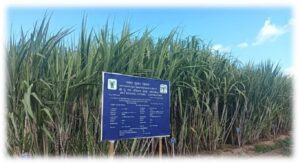
Field view of DUS testing trial at ICAR-SBI, Coimbatore
NATIONAL ACTIVE GERMPLASM (Sugarcane), ICAR–SBI, Coimbatore
- Sugarcane clones received from different centres were submitted to quarantine, and periodical monitoring are being done.
- 350 notified and registered genetic stocks are being maintained at ICAR-SBI, Coimbatore. 23 clones were assigned index numbers during 2025.
Molecular & Bioinformatics Facilities
1. Botanical characterization and DNA Fingerprinting
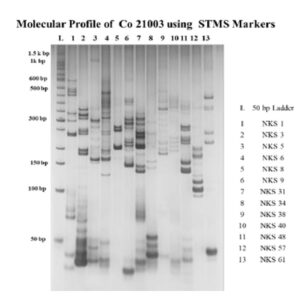
Botanical description for 15 ‘Co’ canes of 2024 series (Co 24001-Co 24015) developed at Coimbatore and its molecular fingerprints were developed.

On a payment basis, the molecular fingerprints of VSI 21121, VSI 18008, TC 2513, Co 86032, CoC 671, Co 2000-08 and CoH 20261 were developed during 2025.
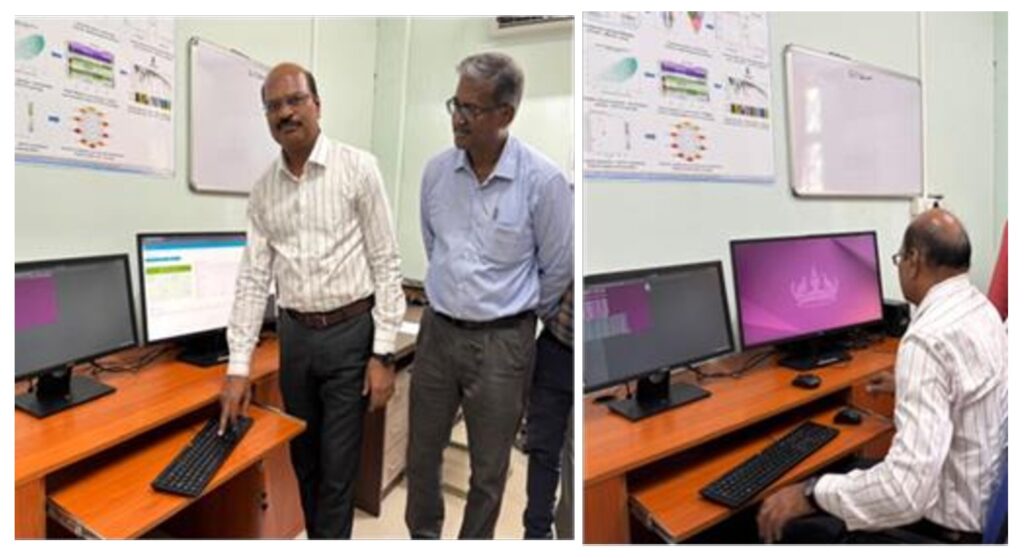
2. Bioinformatics facility established for sugarcane genomics and genome editing research
Bioinformatics facility with a high-end server and workstation facility established to support the sugarcane genomics and genome editing research.