SBIRC - KANNUR
ICAR- SUGARCANE BREEDING INSTITUTE (SBI) RESEARCH CENTRE KANNUR, KERALA
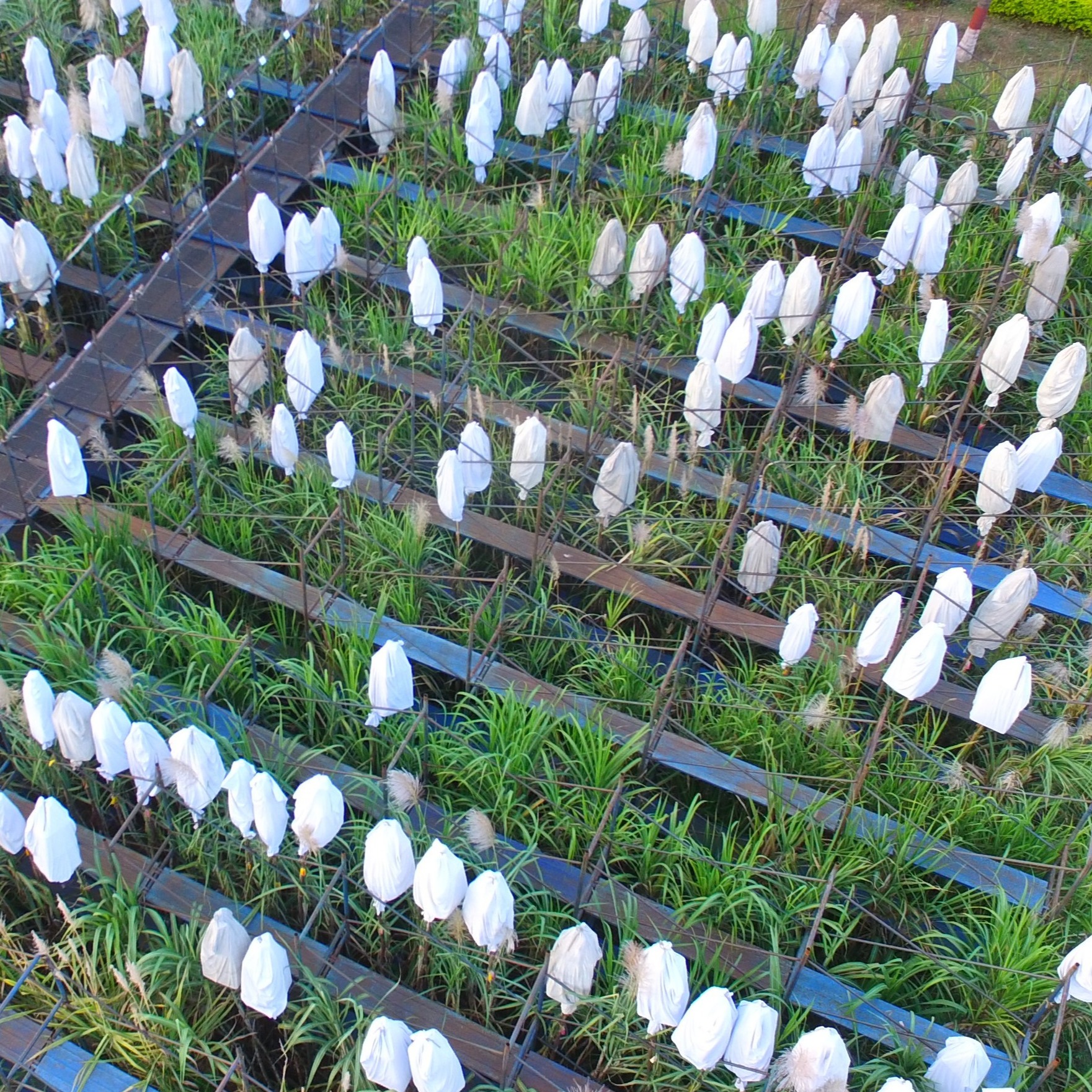
ICAR- Sugarcane Breeding Institute (SBI) Research Centre, Kannur, Kerala, houses the world’s largest collection of sugarcane germplasm. The first world gene bank for sugarcane was established in Canal Point, Florida, in the USA. The establishment of an additional world gene bank on the other parts of the hemisphere was a result of the resolution of the International Society of Sugarcane Technologists in 1956. India was the first choice for duplicating the gene bank as the research base in our country was tremendously progressing.
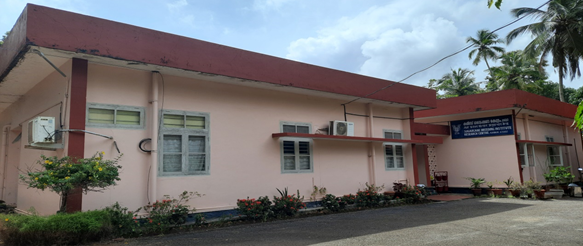
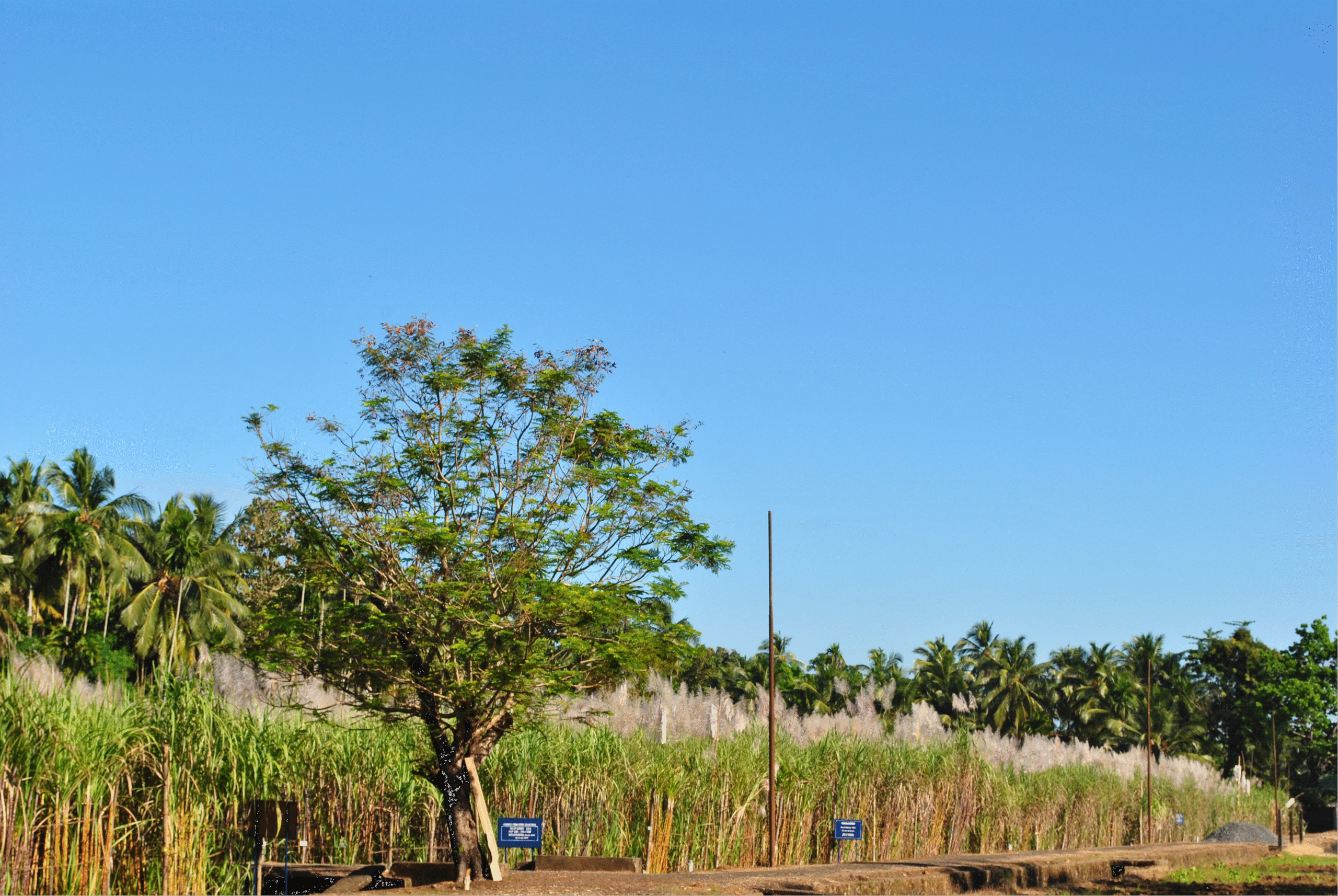
The seed material of the entire world collection at Canal Point was airlifted during 1957-58 to Coimbatore and was initially maintained at the Agricultural Research Station, Thaliparamba in Cannore District, Kerala. In 1962, a research centre was established at Kannur (also known as Cannanore) as the West Coast Regional Centre of Sugarcane Breeding Institute and the collection maintained at Thaliparamba was shifted to Kannur. Now this research Centre houses the world’s largest collection of Saccharum species and is an internationally recognised field gene bank of sugarcane.
The germplasm assembly at SBI Research Centre, Kannur now consists of 1817 accessions under international collection and 1563 under Indian collection. The International collection comprises of S.officinarum (757), S. barberi (42), S. sinense (30), S. robustum (143), S. spontaneum (79), foreign hybrids (614) and allied genera (152). The allied genera include a large number of Erinathus arundinaceus clones from New Guinea and Indonesia collected during 1976 and 1977. The Indian collection comprises Indian hybrids (1040), allied genera and others (88), S. spontaneum (305) and IA clones (130). The Indian hybrids consists of mainly Co canes developed at the main institute at Coimbatore and clones released by other research centres in the country. The IA clones are hybrids between American commercial hybrids and Indian S. spontaneum clones. Large number of S. spontaneum, Erianthus sp and related species collected through expeditions in north-eastern region of the country from 1981 to 1990 are maintained as Indian collections
Mandate
- Maintenance of the world collection of sugarcane germplasm free of major pests and diseases
- Developing varieties resistant to waterlogging
- Utilisation of germplasm resources for developing new genetic stocks
The activities under the mandate was further extended to disease and pest control through biocontrol agents, in vitro conservation of germplasm, molecular characterization and value addition in sugarcane.
LIST OF ONGOING SUB PROJECTS AT THE STATION
- P1-15/1-1-(viii) Breeding varieties resistant to waterlogging
- P1-15/1-2-viii) Utilisation of germplasm resources for developing new genetic stocks
- P1-15/1-2 -ix) Maintenance of world collection of sugarcane germplasm
- P1-15/1-2-xx) Enhancing germination percentage and planting value in true seeds of Saccharum species
- P1-21/12-2- (iii) Development of sugarcane-based value addition products and technologies
Major Achievements
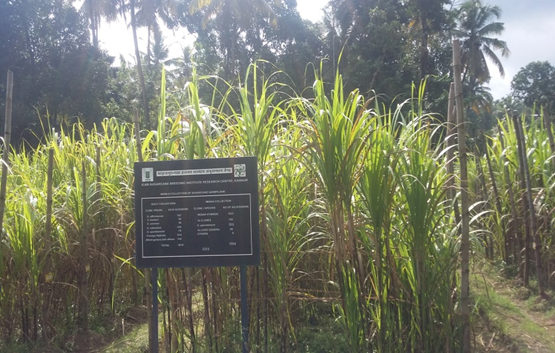
- A world collection of sugarcane germplasm comprising 3380 clones which includes Saccharum officinarum (757), Saccharum barberi (42), Saccharum sinense (30), Saccharum robustum (129), Saccharum edule (16), Saccharum spontaneum (79), Indian hybrids (1035), Foreign hybrids (614), IND collections (393), IA clones (130) and Allied genera and natural hybrids (152) are maintained as a field gene bank and monitored for flowering, pests, and diseases.
- Approximately 60 Saccharum officinarum accessions, which are highly vulnerable under field conditions, are maintained successfully under an in-vitro/tissue culture facility.
- The digital catalogue developed for Saccharum officinarum, Saccharum robustum, Saccharum sinense, Saccharum barberi and foreign hybrids
- ICAR has identified Co 99006 (Neeraj) for the peninsular Zone of India in 2006, which has tolerance to waterlogging, drought, Salinity, good field resistance to red rot and moderate resistance to red rot.
- Many promising waterlogging-resistant clones were developed, including Co 98001, Co 96017, Co 99010, Co 96018, Co 96011, Co 98007, Co 0321, Co 09008, Co 12015, Co 19016, Co 22020, Co 21010 and Co 22017.
- Successful utilisation of the red-fleshed Saccharum robustum clones in the hybridisation programme for the first time as female parents and genetic stocks with intermediate flesh colour and robust growth have been identified for further utilisation.
- GUK 14-48 (INGR25037) A rare ISH of Saccharum robustum with red flesh, a greater number of canes, high cane yield, high phenolic, antioxidant and anthocyanin content has been registered by the Plant Germplasm Registration Committee (PGRC) of the Indian Council of Agricultural Research
- GUK 06 346 with exotic hybrid (CP 94-1100) blood is identified as Cocane Co 13010 with high brix and resistance to red rot
- Clone GUK 16-967 with Saccharum spontaneum and Waterlogging resistant clone in its parentage was identified as ‘Co’ cane Co 23021
- Clone GUK 17-301 with Bamboo and Waterlogging resistant clone in its parentage was identified as ‘Co’ cane Co 24015
- Successful Biological control of the sugarcane planthopper (Pyrilla perpusilla) by the introduction and colonisation of ectoparasitoid, Epiricania (=Fulgoraecia) melanoleuca (Fletcher) (Lepidoptera: Epipyropidae) at the Centre.
- Promising plant growth-promoting rhizobacteria (PGPR) for improving bud germination and plant growth of sugarcane and entomopathogenic fungi (EPF) associated with pyrilla were isolated from the sugarcane ecosystem.
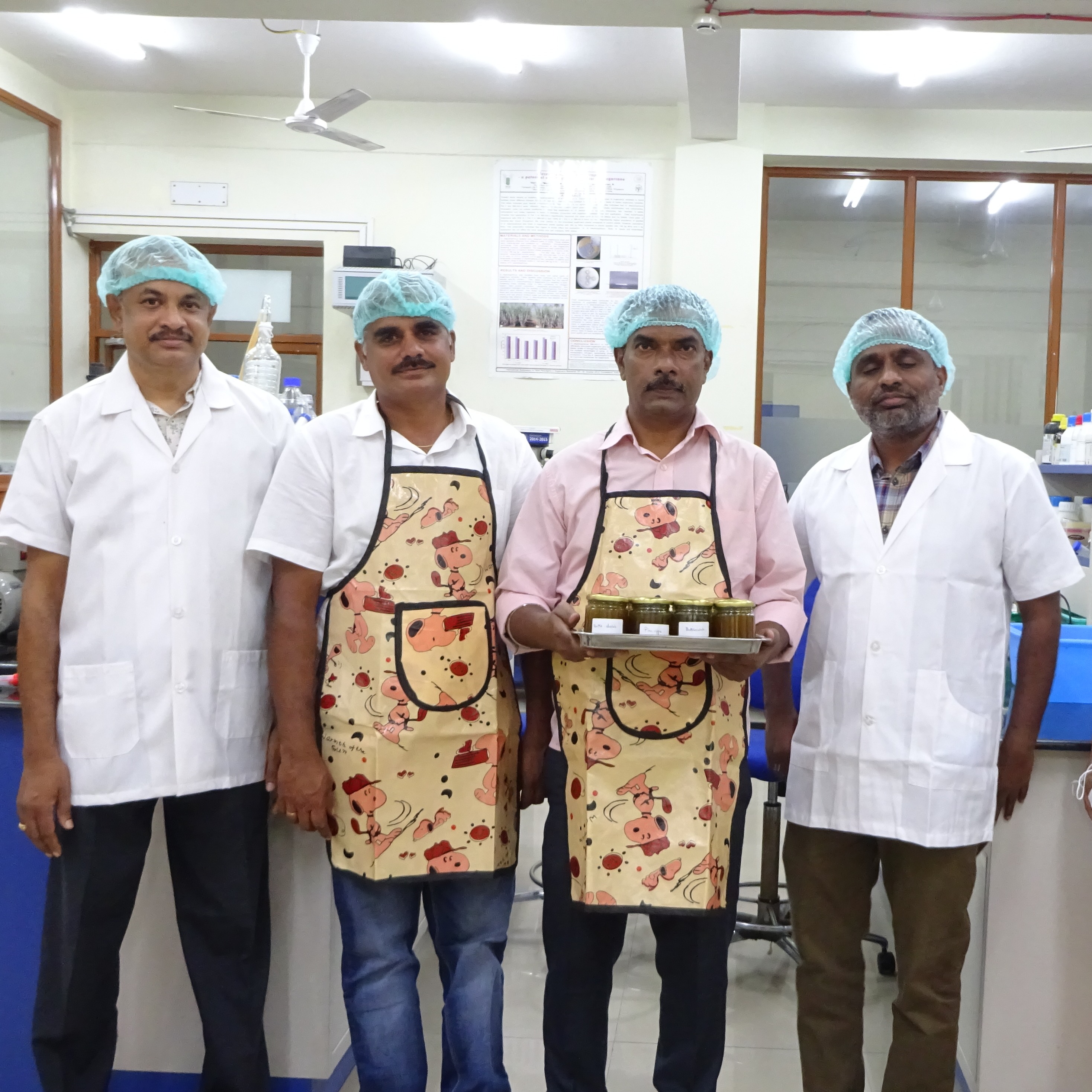
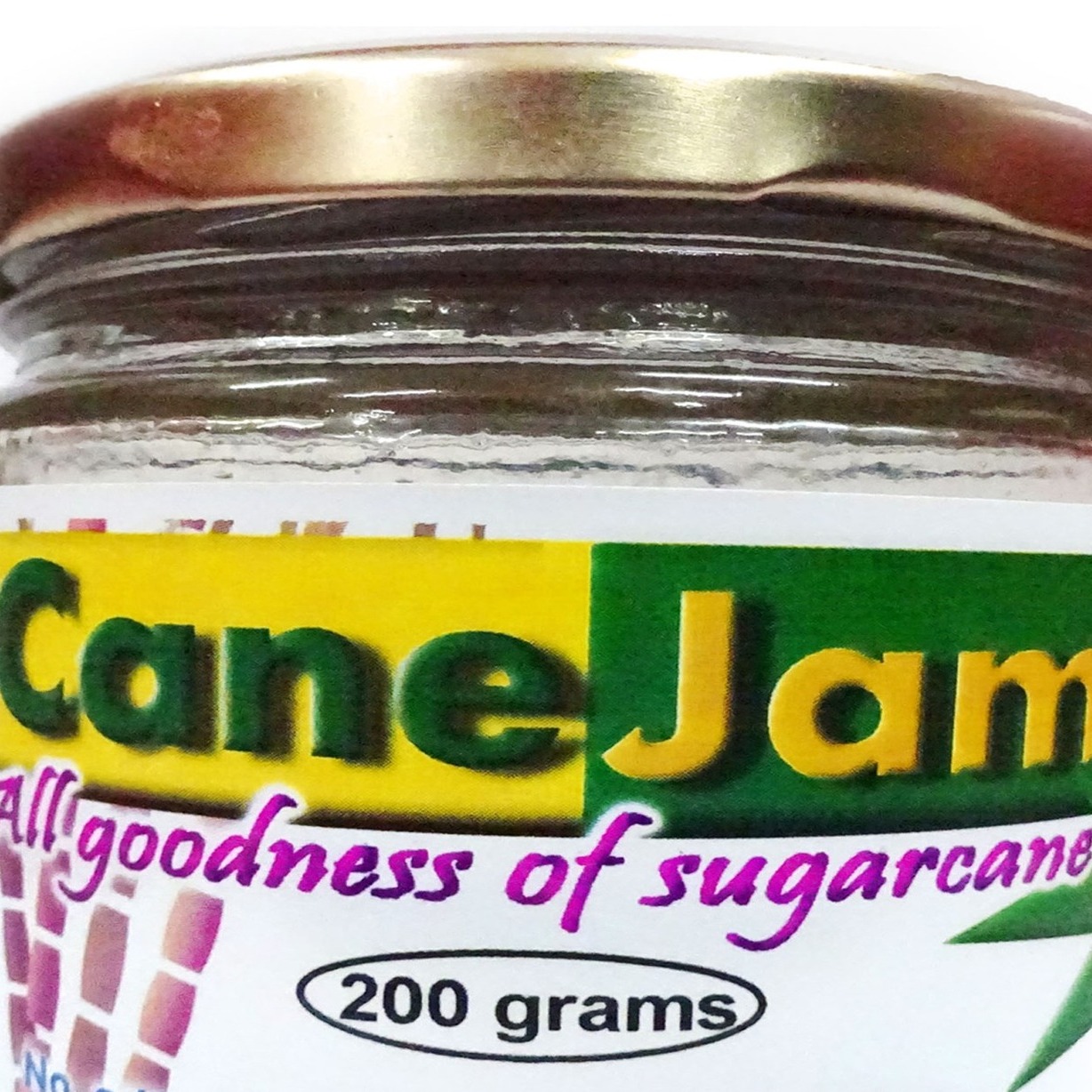
- Six sugarcane juice-based value-added technologies viz., liquid jaggery processing, powder jaggery processing with organic clarificants, freeze preservation with natural additives, ice-cream preparation from sugarcane syrup and powder jaggery, production of sugarcane wine with different fruit blends and powder jaggery-based cookies and cakes developed and being commercialised.
- A sugarcane syrup product, “Thensarkara”, and a powder Jaggery product “, Kannur Sarkara”, are produced at the Centre and marketed locally
Salient achievements during 2024-25
- The world collection of sugarcane germplasm comprising 3380 clones which includes Saccharum officinarum (757), Saccharum barberi (42), Saccharum sinense (30), Saccharum robustum (129), Saccharum edule (16), Saccharum spontaneum (79), Indian hybrids (1035), Foreign hybrids (614), IND collections (393), IA clones (130) and Allied genera and natural hybrids (152) are maintained as a field gene bank and monitored for flowering, pests, and diseases.
- Approximately 65 Saccharum officinarum accessions, which are highly vulnerable under field conditions, are maintained successfully under an in-vitro/tissue culture facility.
- GUK 14-48 (INGR25037) a rare ISH of Saccharum robustum with red flesh, a greater number of canes, high cane yield, high phenolic, antioxidant and anthocyanin content has been registered as a genetic stock.
- Clone GUK 17-301 with Bamboo and Waterlogging resistant clone in its parentage was identified as ‘Co’ cane Co 24015 based on its overall performance for yield and quality traits
- Exotic hybrids (614) available in the field gene bank were characterized for yield and quality parameters for effective utilization in the breeding program
- The Saccharum spontaneum accessions (international accessions-79 and IND collection-305) are digitally characterized for crop stand in the field, cane characters, bud characters, and canopy.
- Developed a Tetrazolium staining protocol for sugarcane seeds, which would serve as a rapid and fool-proof tool for viability screening of sugarcane seed lots
- Successful biological control of the sugarcane planthopper (Pyrilla perpusilla) by the introduction and colonization of ectoparasitoid moth, Epiricania (=Fulgoraecia) melanoleuca (Fletcher) (Lepidoptera: Epipyropidae) was achieved at the Centre.
- The technique for preparing sugarcane juice-based millet halwa, sugarcane juice-blended fruit squash and powder jaggery based chocolate is standardized


Technical Staff Profile – Click here
Skilled Supporting Staff Profile – Click here